A normal chatbot mostly relies on a short system prompt and a few FAQs pasted into the model. That works for "what are your hours?" until your menu, service areas, or pricing change - or someone asks a detailed question you never scripted.
RAG adds a retrieval step: search your approved knowledge chunks first, then generate an answer with those chunks in context. Good setups also show or track sources, and refuse or escalate when nothing relevant is found.
You are not "training a custom GPT on the whole internet." You are grounding answers in the same content that already powers your SEO pages - services, policies, FAQs, and selected PDFs.
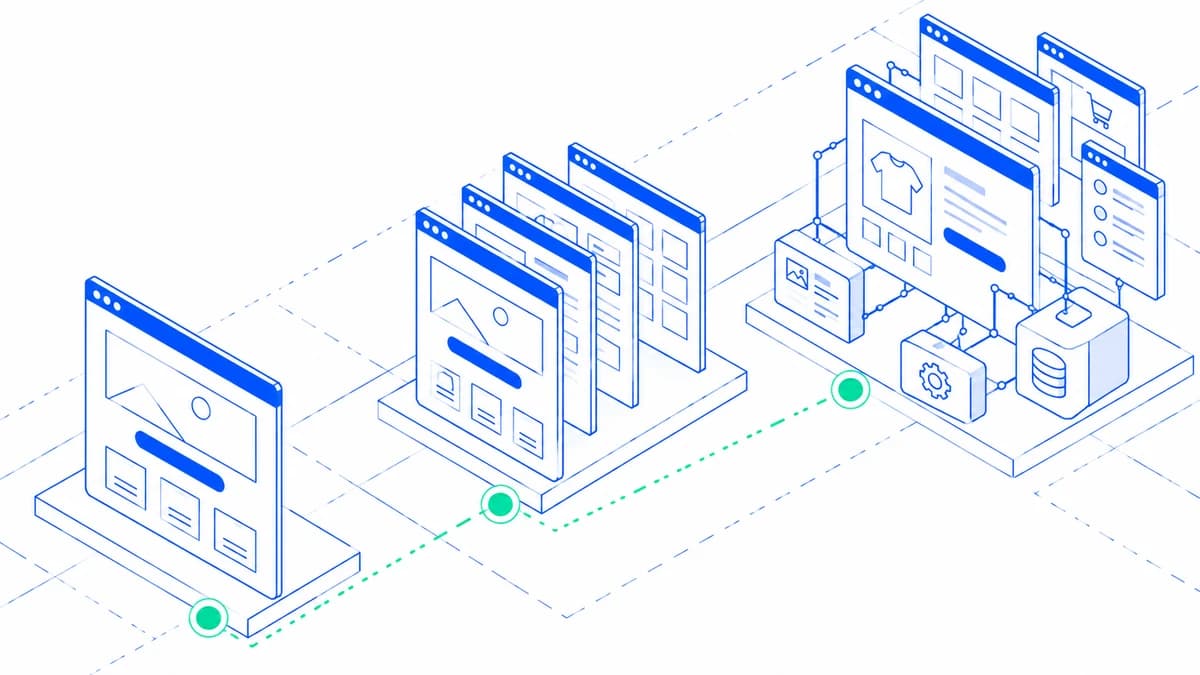
Prompt-only is fine for a tiny site with five FAQs and one service. It breaks when you have many services, city pages, seasonal offers, or PDFs that change.
RAG costs more to set up because content must be cleaned, chunked, and refreshed - but it scales with your site instead of fighting it.
If your bot already invents packages or mixes up locations, that is usually a knowledge problem, not a "smarter model" problem.
Start with money pages: services, pricing ranges you allow the bot to state, service areas, booking rules, and FAQ answers your staff repeats on the phone.
Add policies next: deposits, cancellations, warranties, insurance language - with escalation for legal or medical edge cases.
Skip scraped competitor pages and random blogs. If you would not put it on your website, do not put it in the bot.
After-hours call volume is high and staff answer the same ten questions. Or you already have an AI chatbot that "sounds smart" but sales complains about wrong quotes.
Multi-location or multi-service operators (home services, med spas, law intake, property management) benefit fastest - more pages means more ways for a prompt-only bot to guess wrong.
Pair RAG with human handoff: the goal is qualified leads and accurate FAQs, not a robot that never escalates.